Playing goalie is one of the most demanding roles in ice hockey. It requires quick reactions, strong positioning, calm decision making and equipment that allows you to move freely while staying protected. Unlike outfield players, a goalie depends on a full setup designed for a very specific job: stopping pucks from every angle, controlling rebounds and staying balanced through repeated drops, pushes and recoveries. The right equipment does not make the saves for you, but it gives you the confidence and mobility needed to perform at your best.
Start with protection that supports your style of play
A goalie’s equipment should be chosen around protection, fit and playing style. Some goaltenders rely on compact movement and technical positioning, while others play a more aggressive game at the top of the crease. In both cases, the equipment has to feel secure without restricting natural movement. When looking at masks, pads, gloves and accessories, many players prefer to compare options through a specialist retailer such as Hockeystore, where the goalie category makes it easier to focus on products designed specifically for the position.
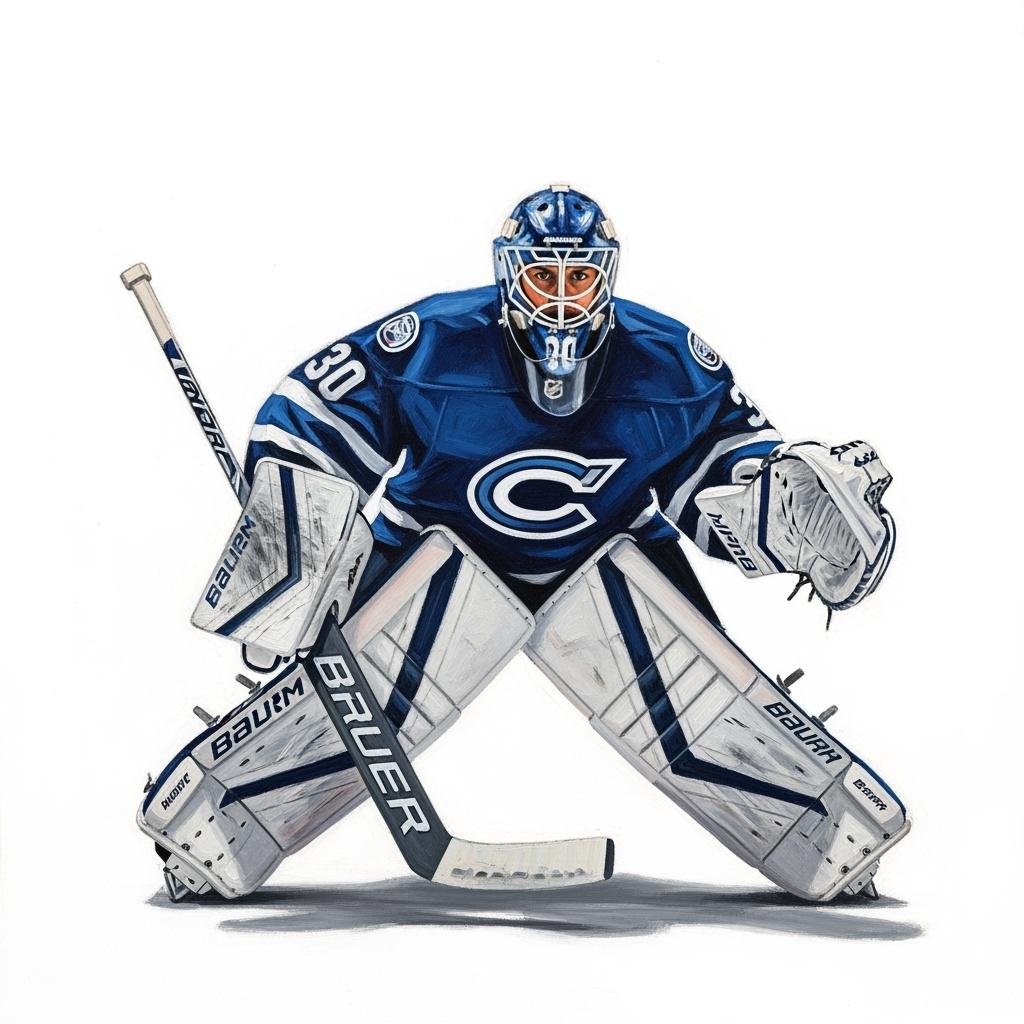
The most important thing to understand is that goalie gear works as a system. A great mask matters, but it is only one part of the full setup. Chest protection, pants, knee guards, leg pads, skates and gloves all need to fit together so there are no awkward gaps or areas where movement becomes difficult. If one piece is too bulky or too loose, it can affect your stance, your balance and your ability to react quickly.
Protection should never be judged only by size. Bigger equipment may look safer, but poor fit can create delays in movement and make it harder to seal the ice or recover after a save. A well-fitted setup should feel stable when you are in your stance, controlled when you drop into butterfly and predictable when you push from post to post. That consistency is what allows a goalie to focus on the puck instead of thinking about the gear.
The goalie mask is the centre of confidence
The goalie mask is one of the most important pieces of equipment because it protects the head and face while also shaping how comfortable you feel in front of shots. A good mask should sit securely without pressure points, give a clear field of vision and remain stable when you move your head quickly. It should not slide forward when you drop down, and it should not feel loose when you track the puck through screens or traffic.
Fit is especially important because head shapes vary. A mask that works perfectly for one player may feel uncomfortable for another, even if both players use the same size on paper. The padding should make even contact around the head, and the chin cup or chin sling should help keep the mask properly positioned. The cage also matters. It needs to protect the face while giving enough visibility for puck tracking, rebounds and passes across the slot.
For younger goalies, the focus should be on proper sizing rather than buying something to “grow into”. A mask that is too large can move on impact or shift during play, which reduces both safety and confidence. For senior goalies, the level of play should guide the choice. Faster shots, heavier traffic and more frequent contact place higher demands on shell construction, padding quality and overall stability.
Leg pads, gloves and skates shape your movement
Leg pads are closely connected to how a goalie moves and covers the lower part of the net. Modern pads are designed to help with rotation, ice seal and rebound control, but the best choice depends on technique and preference. A stiffer pad may give strong rebounds and a firm butterfly seal, while a softer pad can feel more forgiving and flexible. The right option is the one that matches how you move, not simply the one used by another goalie.
Pad sizing affects everything from stance width to recovery speed. Pads that are too small may leave gaps when you drop, while pads that are too large can interfere with skating and transitions. The knee should land securely in the knee stack, and the strapping system should allow the pad to rotate without feeling disconnected from the leg. Comfort matters, but so does repeatability. Every drop and recovery should feel the same.
The catcher and blocker are just as important for control. A catcher should open and close naturally, with a pocket that helps secure pucks rather than fighting the hand. Break angle, cuff shape and palm feel can all influence how a goalie catches shots. A blocker needs to feel balanced on the hand and offer strong paddle control, since it is used not only to stop pucks but also to steer rebounds and handle the stick.
Goalie skates are another key part of the setup. They are built for powerful lateral pushes, sharp edges and a stable stance. Compared with player skates, goalie skates are designed around crease movement rather than straight-line speed. A proper fit should hold the heel securely and give enough support for repeated pushes, shuffles and recoveries. Skate sharpening also deserves attention because hollow preference can influence grip, slide and control in the crease.
Chest protection, pants and accessories complete the setup
The chest and arm protector has to balance coverage with mobility. A goalie needs protection across the shoulders, arms, ribs and sternum, but still has to move freely when reaching for high shots, sealing the body or handling rebounds. If the arms are too long or the shoulders too bulky, movement can become stiff. If the unit is too small, gaps can appear around the wrists, ribs or collar area.
Goalie pants should work together with the chest protector rather than fighting against it. The upper part of the pants must provide coverage around the hips and waist, while still allowing the goalie to stay low and mobile. Some players prefer a tighter feel for responsiveness, while others like a more protective, roomy fit. What matters most is that the pants stay in place and do not interfere when dropping into butterfly or moving around the posts.
Accessories are often less visible, but they can make a major difference. Knee pads protect an area that takes constant impact, especially in modern butterfly goaltending. A neck guard or throat protector adds coverage in a vulnerable area, and a proper goalie jock or pelvic protector is essential for comfort and safety. Baselayers can also help by keeping protection in position and reducing irritation during long sessions on the ice.
A good goalie bag is another practical part of the equipment setup. Goalie gear is bulky, and keeping it organised makes training and game days easier. A bag with enough space for pads, skates, mask, gloves and accessories helps protect the equipment between sessions. It also makes it easier to air everything out afterwards, which is important for comfort, hygiene and the lifespan of the gear.
Choosing equipment for long term development
Goalie equipment should support where you are now while leaving room for development. Beginners often benefit from gear that feels comfortable and easy to move in, because learning stance, angles and recovery technique is difficult enough without fighting the equipment. More experienced goalies may focus on details such as pad stiffness, glove break, skate profile or mask construction because small differences can have a noticeable effect at higher tempo.
Parents buying equipment for young goalies should pay particular attention to fit, weight and confidence. Heavy or oversized gear can make the position feel harder than it needs to be. A child should be able to get into position, move side to side and recover without struggling against the equipment. When the gear fits properly, practice becomes more enjoyable and technical habits develop more naturally.
Adult recreational goalies should also take their equipment seriously. Even if the game is played for fun, pucks are hard, ice is unforgiving and the goalie position involves repeated impacts. Reliable protection makes the experience more enjoyable and reduces hesitation. When you trust your gear, you are more likely to challenge shooters, stay square and play with better rhythm.
At competitive levels, equipment choices become more personal. Two goalies can have similar skill levels but prefer very different setups. One might want explosive rebounds from firm pads, while another values softer control. One might choose a glove that closes easily straight out of the box, while another wants a specific break angle and pocket feel. The best equipment is not always the most expensive option; it is the equipment that fits your body, your game and your level of play.
Care, adjustment and consistency matter every week
Buying good goalie equipment is only the beginning. How you care for it has a direct effect on comfort and performance. Gear should be dried properly after every session, not left packed in a closed bag. Moisture can damage materials, create odour and make padding less pleasant to wear. Simple habits, such as opening straps, separating wet items and letting air circulate, can make a big difference over time.
Straps and adjustments should be checked regularly. A pad that felt perfect at the start of the season may loosen as materials break in. Gloves may change feel as the palm softens, and skates may need attention as blades wear. Taking a few minutes to inspect equipment before practice can prevent distractions on the ice. It also helps you notice damage before it becomes a bigger problem.
In the end, goalie equipment is about creating a reliable foundation. The mask protects your focus, the pads control the lower net, the gloves manage rebounds, the skates drive your movement and the protective layers keep you ready for the next shot. When each piece fits correctly and works together, you can play with better balance, stronger technique and more trust in your own game.