In the world of team sports, hockey stands out for its unique blend of grace and aggression, demanding a distinctive approach to training. Unlike many other sports, hockey requires athletes to master both the finesse of skating and the physicality of stick handling on ice. This creates a dual challenge that sets it apart from disciplines like soccer or basketball.
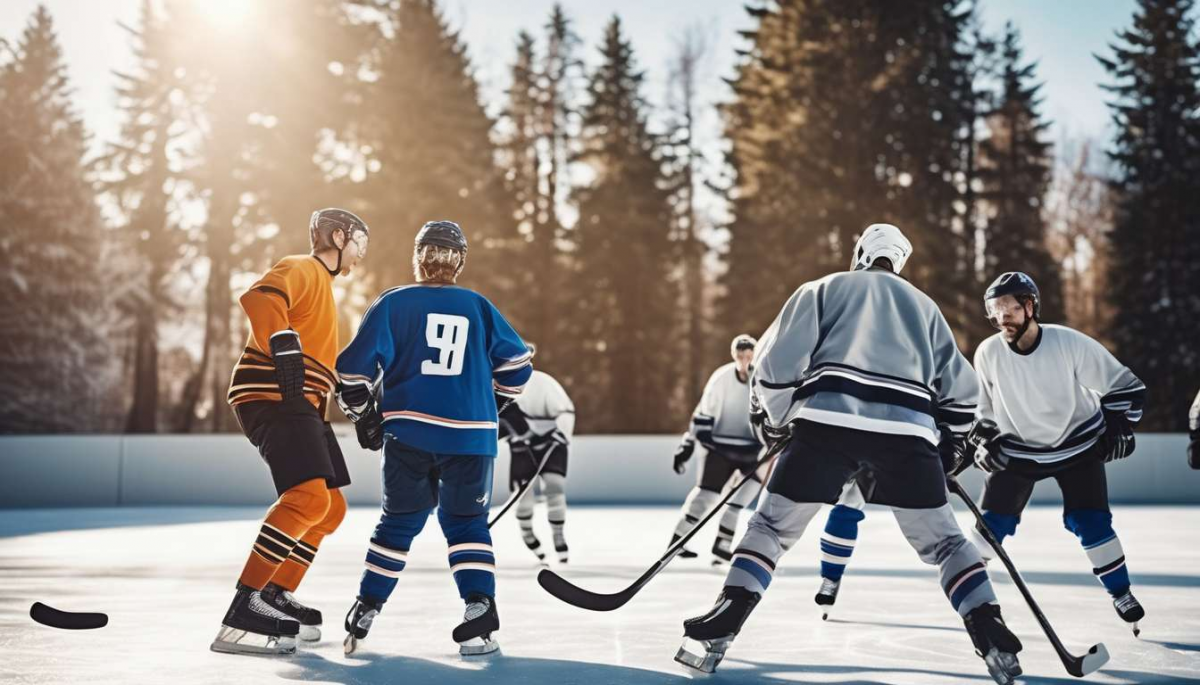
Training regimens for hockey players must focus on developing several key attributes:
- Cardiovascular Endurance and Strength: Essential for sustaining energy and performance throughout the game.
- Agility and Balance: Critical for navigating the swift and often unpredictable movements on the ice.
Off-ice training is equally important and includes:
- Plyometric exercises
- Core stability routines
These off-ice exercises combine with on-ice drills to build a player’s complete athletic profile.
By integrating these contrasting elements, hockey training programs aim to equip players with the versatility and resilience needed to excel in an environment where speed meets physical contact, and precision is as essential as power.
Detailed guides and videos for these can be found online, providing athletes with a wealth of resources to enhance their training routines.
Developing Cardiovascular Endurance and Strength
To excel in hockey, players must focus on enhancing both cardiovascular endurance and muscular strength through targeted training programs.
Building Endurance:
-
Importance: Endurance is essential as it allows athletes to maintain high-intensity performance throughout the game.
-
Cardiovascular Conditioning:
- Achieved through interval training.
- Combines periods of intense activity with short recovery times.
- Simulates the stop-and-go nature of hockey.
- Boosts endurance and enhances agility, allowing for effective quick changes in direction.
Muscular Strength:
-
Significance: Enables players to withstand physical contact and improve overall performance.
-
Training Method:
- Incorporate plyometrics into strength training routines.
- Enhances explosive power and muscular endurance.
- Targets fast-twitch muscle fibers, crucial for quick starts and powerful shots.
By focusing on these training aspects, players can develop the physical attributes necessary to thrive in the competitive environment of hockey, fostering a sense of belonging within their team through improved performance.
Enhancing Agility and Balance Skills
Mastering agility and balance is crucial for hockey players to execute rapid maneuvers and maintain stability during dynamic play. The ability to change direction quickly and maintain control on the ice enhances a player’s performance and competitiveness.
Agility Drills:
- Focus on quick footwork
- Improve coordination
- Enhance body control
These drills are essential for evading opponents and creating scoring opportunities.
Balance Exercises:
- Single-leg stands
- Dynamic stability activities
These exercises build core strength and proprioception, enabling players to maintain posture and control under pressure.
Endurance plays a significant role, as hockey demands sustained intensity over long periods. Incorporating endurance training into agility routines ensures that players can maintain high levels of performance throughout the game.
Plyometrics:
- Involves explosive movements
- Improves muscle power
- Enhances reaction times
Integration into Training: When these elements are integrated into regular training, they foster a strong sense of unity and shared goals among team members, creating a cohesive and motivated group striving towards excellence in the sport.
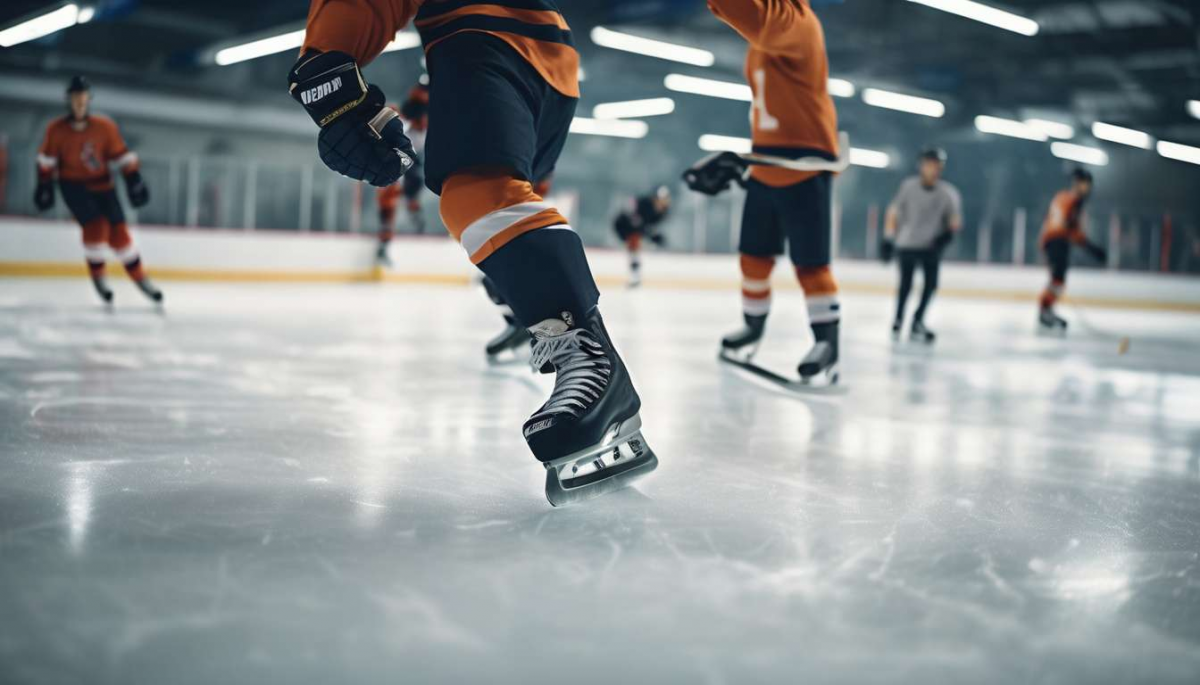
Incorporating Plyometric Off-Ice Exercises
Off-Ice Plyometric Exercises for Hockey Players
Off-ice plyometric exercises significantly boost explosive strength and speed, which are essential for hockey players’ on-ice performance. When integrated into a training regimen, these exercises enhance endurance, allowing players to sustain high levels of activity throughout games.
Key Plyometric Movements:
- Box Jumps
- Lateral Bounds
- Depth Jumps
These movements are designed to improve fast-twitch muscle fibers, which are crucial for quick, powerful bursts required in hockey.
Benefits of Plyometrics:
-
Development of Agility:
Plyometrics contribute to the development of agility, enabling players to:- Change directions swiftly
- Dodge opponents
- Maintain balance during rapid play sequences
-
Team Dynamics:
By fostering a sense of community and shared goals, teams can integrate these exercises into group training sessions. This promotes a supportive environment where athletes push each other towards achieving peak physical condition.
Overall Impact:
Incorporating plyometric exercises off-ice not only prepares players for the physical demands of hockey but also fosters a strong team dynamic, encouraging collective progress.
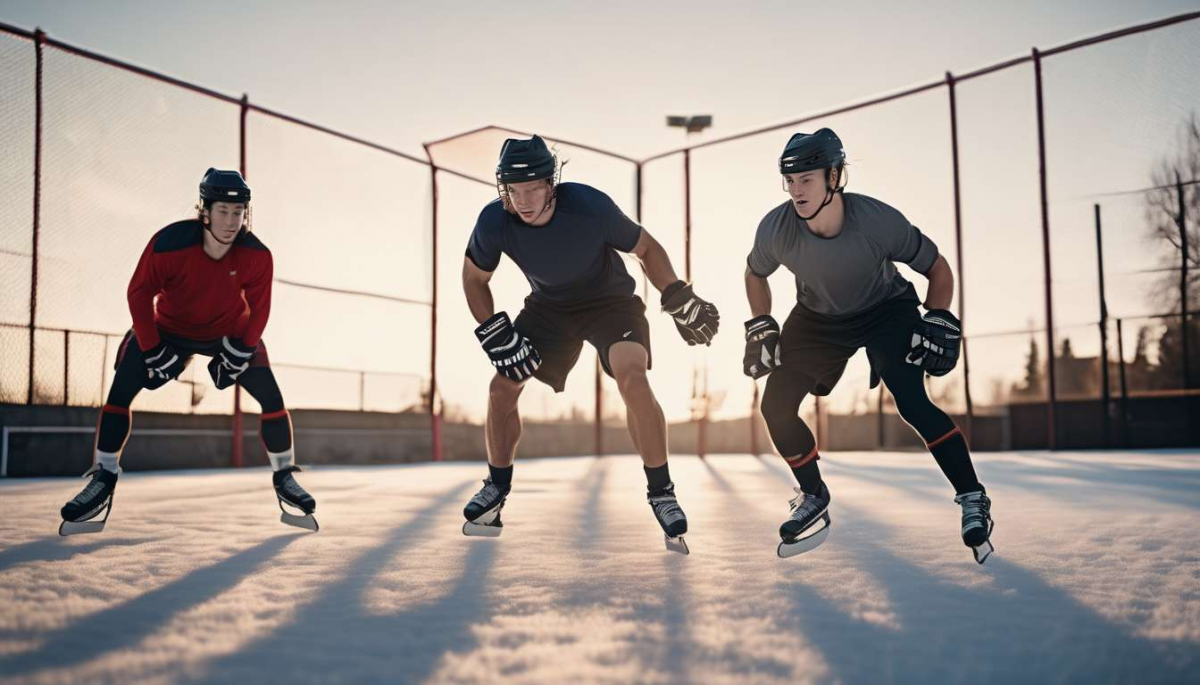
Focusing on Core Stability Workouts
Core Stability Workouts for Hockey Players
Core stability workouts are crucial for hockey players, enhancing balance and power essential for optimal on-ice performance. These exercises contribute significantly to the development of endurance, ensuring players maintain peak performance throughout the entirety of a game. By engaging multiple muscle groups simultaneously, core stability workouts foster a strong foundation necessary for executing explosive movements with precision.
Agility and Core Strengthening
Agility is greatly improved through core strengthening exercises, allowing players to navigate the rink with increased speed and fluidity. Incorporating plyometrics into a core stability regimen further elevates agility, as these dynamic movements train the body to respond quickly and effectively to changing conditions on the ice.
Plyometric Exercises
Plyometric exercises enhance the athlete’s ability to generate power. Some effective exercises include:
- Box jumps
- Medicine ball throws
These should be performed with an emphasis on core engagement.
Team Benefits
In essence, a focus on core stability not only fortifies physical endurance and agility but also solidifies a player’s role within the team. This approach fosters a sense of unity and shared excellence in pursuit of victory.

Integrating On-Ice Drills and Off-Ice Routines
Integrating on-ice drills with off-ice routines is essential for developing a comprehensive training program that enhances a hockey player’s overall performance. This combination enables athletes to build endurance, improve agility, and maximize their skill sets in a cohesive manner.
On-ice drills focus on key aspects of the game:
- Skating techniques
- Puck handling
- Tactical maneuvers
These drills are vital for sharpening skills directly applicable to game situations.
Off-ice routines complement these drills by targeting physical attributes through specialized exercises:
-
Endurance is bolstered through cardiovascular workouts, allowing players to maintain high performance levels throughout an entire match.
-
Agility is enhanced with dynamic movements and drills, enabling rapid changes in direction and speed on the ice.
-
Plyometric exercises play a crucial role in developing explosive power, essential for quick starts and sudden stops in gameplay.
By harmonizing these elements, players cultivate a sense of unity and purpose, reinforcing their commitment to team success. This integrated approach not only strengthens individual capabilities but also fosters a collective identity among teammates.
Building Versatility and Resilience
To build versatility and resilience in hockey players, incorporating diverse training methods and challenging scenarios is crucial. This approach not only enhances physical capabilities but also fosters a sense of unity and shared purpose among athletes.
Endurance training forms the foundation, enabling players to sustain high levels of performance throughout matches. By engaging in activities such as:
- Long-distance running
- Cycling
Athletes can develop the stamina required for prolonged exertion on the ice.
In addition to endurance, agility plays a vital role in a player’s ability to navigate the dynamic environment of a hockey game. Incorporating agility drills, which emphasize quick changes in direction and speed, enhances players’ overall responsiveness and coordination.
Plyometrics, involving explosive movements such as:
- Jumping
- Bounding
Further contribute to a player’s power and quickness, essential for rapid transitions during gameplay.
By integrating these elements, hockey players not only improve their individual skills but also strengthen team cohesion, creating a resilient and versatile unit ready to face any challenge.