Hockey pants are an essential part of every player’s protective equipment. They need to protect some of the most vulnerable areas of the body while still allowing enough freedom of movement for skating, turning, shooting and battling for the puck. At the same time, players have very different expectations when it comes to fit, protection, materials and price. A beginner playing once a week may not need the same level of protection as an experienced player competing several times a week, which is why it makes sense to compare different options before making a purchase.
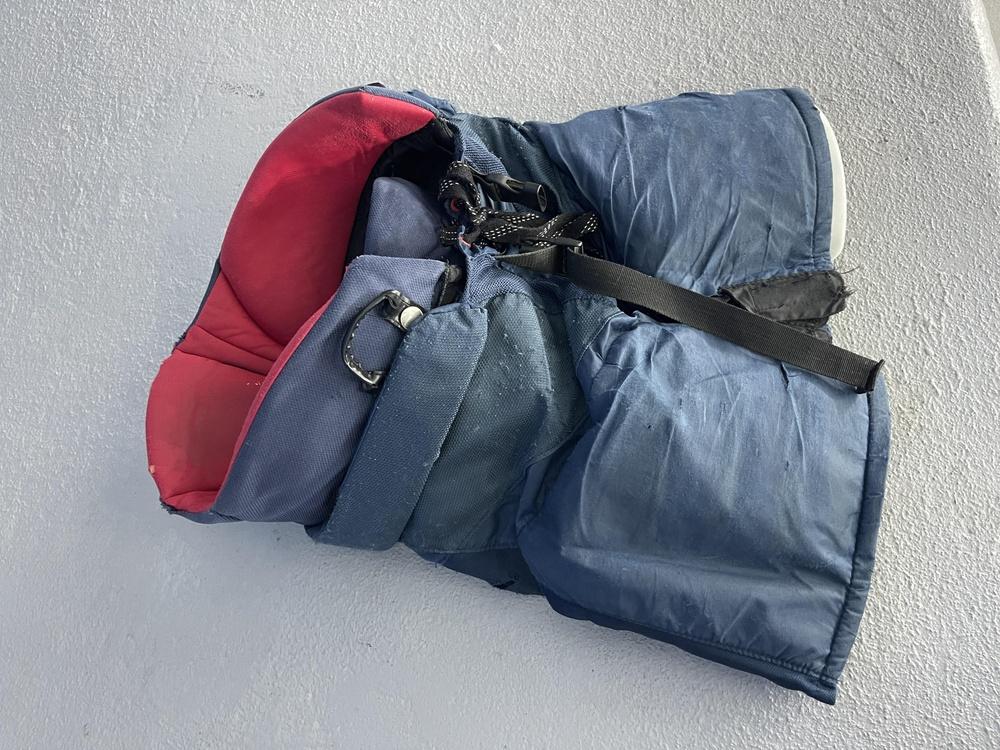
The good news is that hockey pants are available across a wide range of price points. Instead of simply choosing the most expensive model, players should focus on finding the right balance between protection, comfort, durability and how often the equipment will actually be used. Understanding the main differences between models makes it much easier to find hockey pants that suit both the player and the budget.
Choosing hockey pants for your level of play
The first thing to consider is how frequently the pants will be used and what type of hockey the player takes part in. At Hockeystore, players can compare hockey pants designed for different needs and levels of experience. Looking at several alternatives is useful because the ideal choice for a recreational player can be quite different from what an experienced competitive player requires.
Beginners and recreational players usually need reliable basic protection without unnecessary weight or advanced features. For this type of player, comfort and fit are often more important than having the most sophisticated construction available. Entry-level hockey pants can provide the coverage needed for normal recreational play while keeping the overall cost of equipment manageable.
Players who practise more frequently will normally benefit from stepping up to a mid-range model. More regular use places greater demands on both the protective materials and the fabric covering the pants. Improved padding, better ventilation and more durable construction can make a noticeable difference over a long season.
Competitive players often look for stronger protection combined with a lightweight design. At higher levels, contact is more frequent, shots are harder and the overall pace of the game increases. Better protection around the hips, thighs, kidneys and lower spine can therefore become particularly important.
Price often reflects these differences, but that does not mean that every player should automatically choose the most expensive option. The important question is whether the additional features will actually provide value for the person wearing the pants.
Protection should always come before appearance
Hockey equipment has changed considerably over the years, and modern hockey pants are designed to combine mobility with protection. Although appearance and brand preference can influence a buying decision, protection should remain the main priority.
Hockey pants cover several areas that are frequently exposed to impacts during a game. The hips can make heavy contact with the boards or ice, while the thighs may be hit by sticks or pucks. Protection around the lower back and kidney area is equally important, particularly during physical play.
Different models use different combinations of padding, foam and reinforced protective inserts. Less expensive pants normally use simpler constructions that are perfectly suitable for many recreational players. Higher-priced models may use lighter or more advanced protective materials that are designed to absorb and distribute impact more effectively.
The shape of the protective panels also affects how the pants feel. Protection needs to stay in the right place when the player bends the knees, accelerates or changes direction. If protective sections move too much during play, the pants may become uncomfortable and can leave areas of the body less protected.
This is one reason why fit matters just as much as the materials themselves. A well-fitting mid-range pair of hockey pants can often be a better choice than an expensive model in the wrong size.
Players should therefore avoid buying solely according to price. A lower price does not necessarily mean poor protection, just as a higher price does not guarantee the right fit for every player.
Fit and mobility make a major difference on the ice
Hockey pants need to feel secure without restricting movement. Skating involves constant changes in body position, with deep knee bends, powerful strides and rapid transitions between forward and backward movement. Equipment that limits these movements can quickly become frustrating.
The waistband should sit securely around the waist without slipping down during play. Many models offer adjustment systems that allow players to fine-tune the fit. This can be particularly helpful for growing junior players or players whose body shape falls between two standard sizes.
Length is another important consideration. Hockey pants should overlap correctly with the upper part of the shin guards when the player is standing and skating. Pants that are too short may leave gaps in protection, while models that are too long can interfere with movement around the knees.
Players should also think about how much room they prefer around the thighs. Some hockey pants have a closer, more anatomical fit, while others provide a wider and more traditional shape. Neither option is automatically better. It depends on body shape and personal preference.
Experienced players often know immediately which style they prefer because they have already used several different types of equipment. Beginners may need more time to understand what feels natural. In that case, comparing sizing information and considering how the pants interact with the rest of the equipment can help.
Mobility is particularly important for younger players. Children developing their skating technique should not have to fight against oversized or excessively bulky equipment. Good protection is essential, but it should allow the player to move naturally.
Different price levels suit different players
Budget is an important part of buying hockey equipment because a complete set includes far more than hockey pants. Skates, helmet, gloves, shoulder pads, elbow pads, shin guards and sticks all contribute to the total cost. It is therefore sensible to think about where spending more money will have the greatest practical benefit.
For new players, entry-level hockey pants are often a logical starting point. Someone trying hockey for the first time does not necessarily need premium equipment designed for intense competitive use. A suitable entry-level model can provide the necessary protection while leaving more room in the budget for other equipment.
Mid-range models are often attractive to players who want improved comfort and durability without moving into the highest price category. These pants may offer upgraded padding, stronger fabrics or better adjustment possibilities. For players who skate several times per week, these improvements can be worth paying for.
Premium hockey pants are generally aimed at experienced and competitive players who place greater demands on their equipment. Advanced protective constructions, lightweight materials and enhanced mobility can make them more comfortable during intense games and training sessions.
However, the most expensive model is not automatically the most economical choice. A player who only participates occasionally may never fully benefit from premium features. Conversely, buying very basic equipment for someone playing five times per week may lead to faster wear and an earlier replacement.
The best value therefore depends on usage rather than price alone. Thinking in terms of cost per season can sometimes be more useful than focusing only on the purchase price.
Finding the right balance between comfort durability and price
A good pair of hockey pants should feel almost unnoticed during play. The protection needs to remain securely positioned, the waistband should stay comfortable and the materials should withstand repeated use. When all these factors work together, players can concentrate on the game rather than adjusting their equipment.
Durability becomes especially important for frequent players. Hockey pants are exposed to considerable wear from falls, contact with the boards, dressing room floors and repeated washing or drying. Reinforced areas and strong outer fabrics can therefore be valuable for anyone expecting to use the same pants for several seasons.
Ventilation and moisture management can also affect comfort. Hockey is physically demanding, and protective equipment quickly becomes warm during intensive play. Materials that help manage heat and moisture can make longer training sessions more comfortable.
For junior players, there is another factor to consider: growth. Parents may be tempted to buy equipment several sizes too large so that it lasts longer, but oversized protective equipment can move out of position and interfere with skating. Adjustable models can provide some extra flexibility without compromising the fit.
Adult players tend to focus more on long-term durability and personal preference. Someone who has played hockey for many years may have clear preferences regarding waist height, leg width or protective structure. For these players, paying more for a familiar fit or specific construction can be worthwhile.
Ultimately, choosing hockey pants is about matching the equipment to the person using it. Beginners, junior players, recreational adults and experienced competitors all have different requirements. Fortunately, the broad range of prices available makes it possible to find suitable equipment without automatically choosing either the cheapest or the most expensive alternative.
By considering playing level, frequency of use, protection, fit and durability together, players can make a more informed decision. The right hockey pants should provide confidence when blocking shots, battling along the boards or falling on the ice while remaining comfortable enough to allow natural skating throughout the game. When protection and mobility are combined with a price that matches the player’s needs, the result is equipment that can perform reliably throughout training sessions, matches and an entire hockey season.